what is The Forbidden City? | Why is the Imperial Palace called the Forbidden City?
The Imperial Palace, located in Beijing, China, is a royal palace of the Ming and Qing dynasties, formerly known as the Forbidden City, located in the center of Beijing’s central axis.
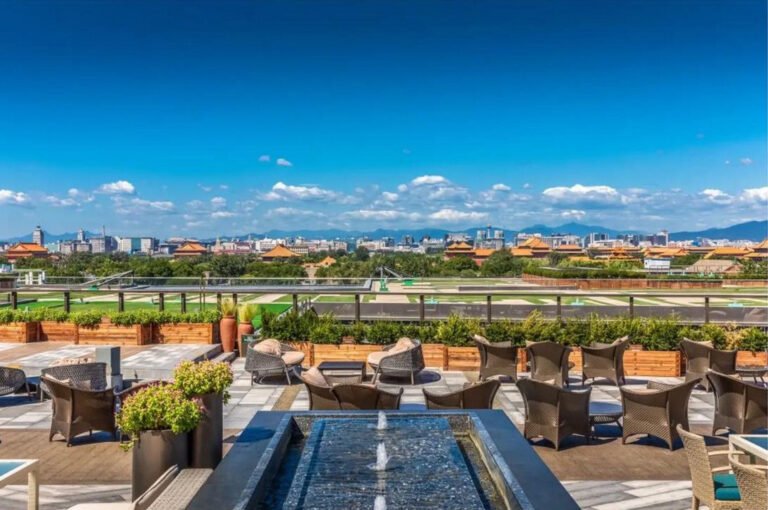
Forbidden City to three halls as the center, covers an area of about 720,000 square meters, building area of about 150,000 square meters, there are more than 70 large and small palaces, rumor has it that the Forbidden City has a total of 9,999.5 rooms, the actual According to the 1973 experts on-site measurements of the Forbidden City, there are rooms 8,707 rooms.
The Forbidden City in the Ming Yongle four years (1406) began construction, to the Nanjing Imperial Palace as a blueprint for the camp, to the Yongle eighteen years (1420) was completed, the Ming and Qing dynasties, twenty-four emperors of the Imperial Palace.
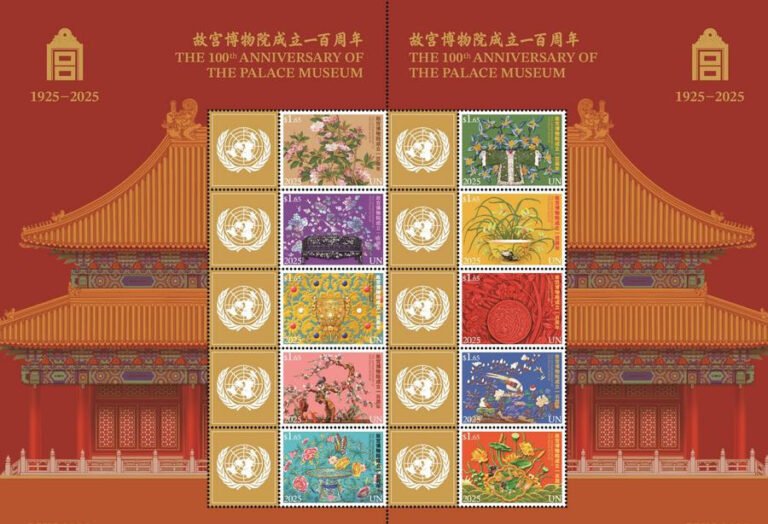
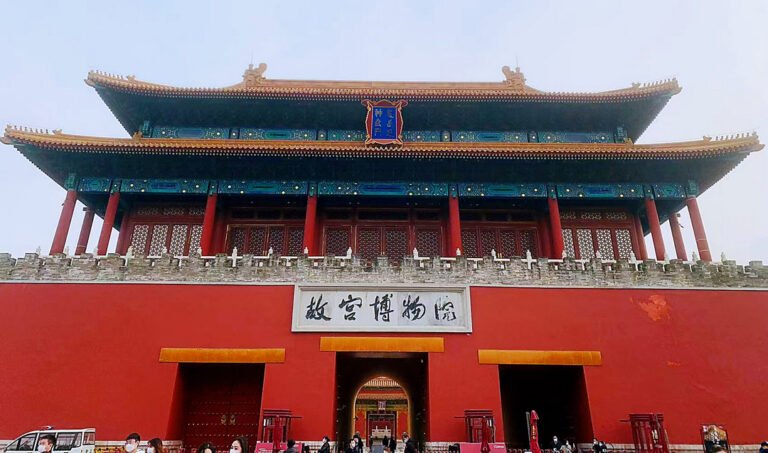
Republic of 14 years National Day (October 10, 1925) the opening of the National Palace Museum was officially established. The Forbidden City, Beijing, 961 meters long north-south, 753 meters wide east-west, surrounded on all sides by a 10-meter-high wall, outside the city has a 52-meter-wide moat. Forbidden City has four gates, the south for the Wumen, the north for the Shenwumen, the east for the Donghuamen, the west for the Xihuamen. The four corners of the city wall each has a graceful corner tower, folk have nine beams and eighteen columns seventy-two ridges said, describing the complexity of its structure.
Why is the Forbidden City called the Forbidden City?
Do you know? The Forbidden City, the name of Forbidden City in Beijing before the 1911 Revolution! But the walls of The Forbidden City are clearly red, why is the name called The Forbidden City?
Red is the Chinese people’s favorite color, also known as China Red. Why do Chinese people like red? Because red represents solemnity, happiness and harmony.
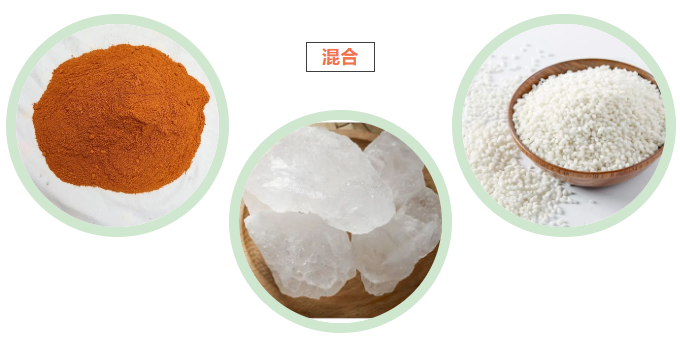
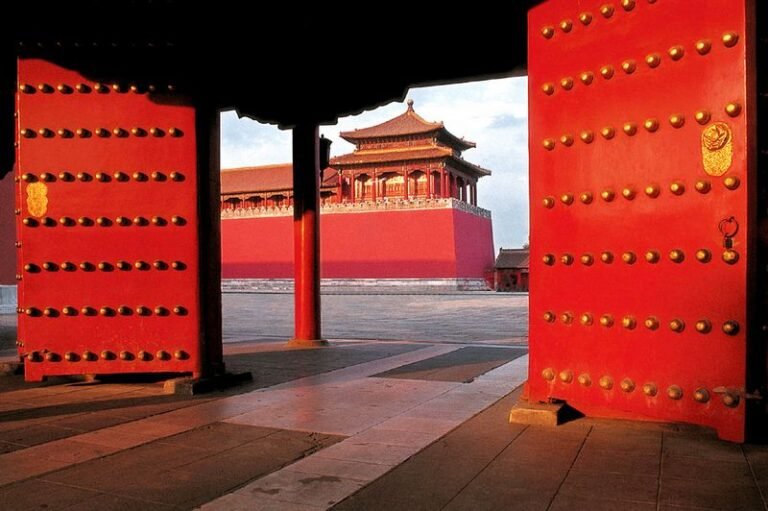
The paint on the red walls of Forbidden City in Beijing was blended from red clay, glutinous rice and alum in ancient times, which can keep the color bright and not fade. Not only the palace walls, most of the gates, pillars and window panes in the Forbidden City are red.
But why is it called the Forbidden City and not the Red Forbidden City?
The Forbidden City in Beijing is the largest palace-type building in the world and one of the largest and best-preserved ancient buildings. It was called Forbidden City during the Ming and Qing dynasties, and was the place where the emperor lived.
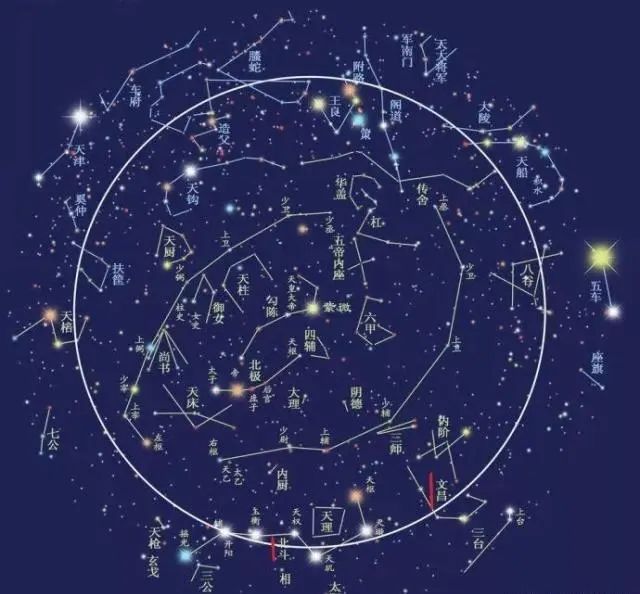
Behind this lies the profound wisdom of the ancients of the “unity of heaven and mankind”. When building palaces, the ancient Chinese were obsessed with corresponding the stars in the sky to the buildings on the ground, building up a complete system of cosmic symbols. Ancient legend has it that the emperor in the sky resided in the Ziwei Palace – the Ziwei Wall surrounded by fifteen stars around the North Star, which was regarded as the residence of the emperor and symbolized the supreme central imperial power. Therefore, successive emperors called themselves “Son of Heaven” and ruled the earth as the son of the Heavenly Emperor.
The characteristic of the Zi Wei Wall that never sets in astrology coincides with the promise of the eternity of the imperial power. The palace where the emperor lived naturally corresponded to the Ziwei Palace of the Heavenly Emperor, and the word “Zi” was used to emphasize his sacred position as the emperor of heaven. The “Forbidden City” is called from the palace’s strict security: the Ming Dynasty set up five military battalions, three thousand battalions stationed in the Qing Dynasty, the eight banners strong brigade patrols around the clock, the palace walls alone eunuchs and palace maidens more than 10,000 people, but always cut off from the people. According to records, trespassing on the forbidden garden light is banished, heavy is executed, even the second grade officers without summoning is not allowed to enter.
Unlike today, we can step on the 600 years of gold bricks knocking history, in front of the Hall of Supreme Harmony to touch the dragon stone carvings, in the Shenwu Gate to look up at the glazed blue tiles. When the sunlight penetrates the layers of the palace and dyes the vermilion walls amber, does it also reflect the ancient metaphor of “Purple Breath Comes from the East”? This sense of time and space interlacing, is not the most precious luck?